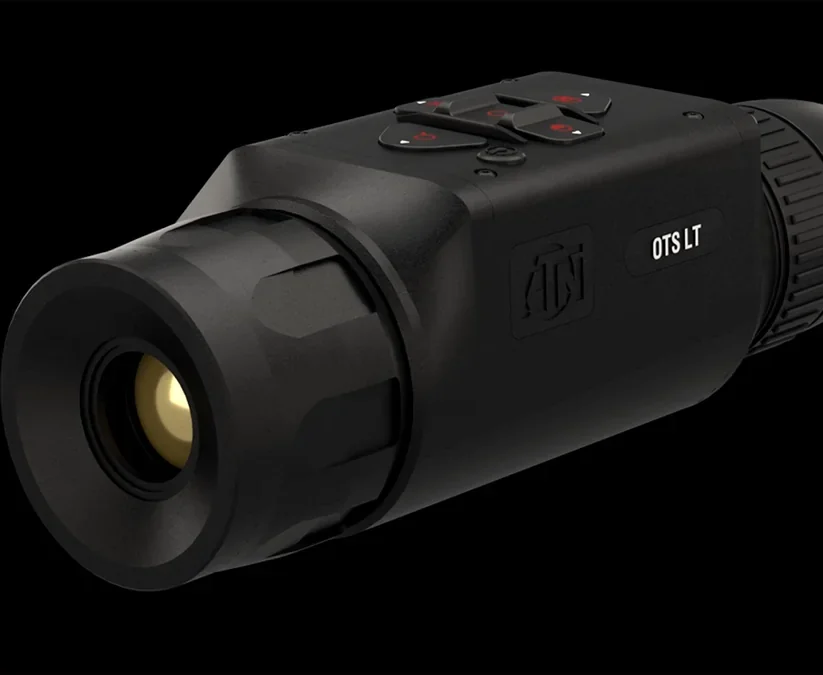
Before you buy
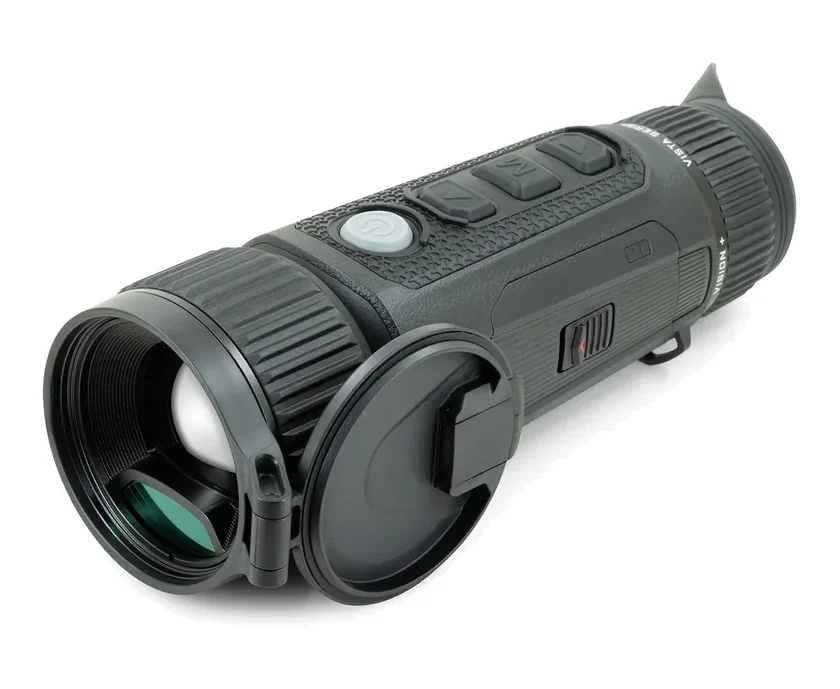
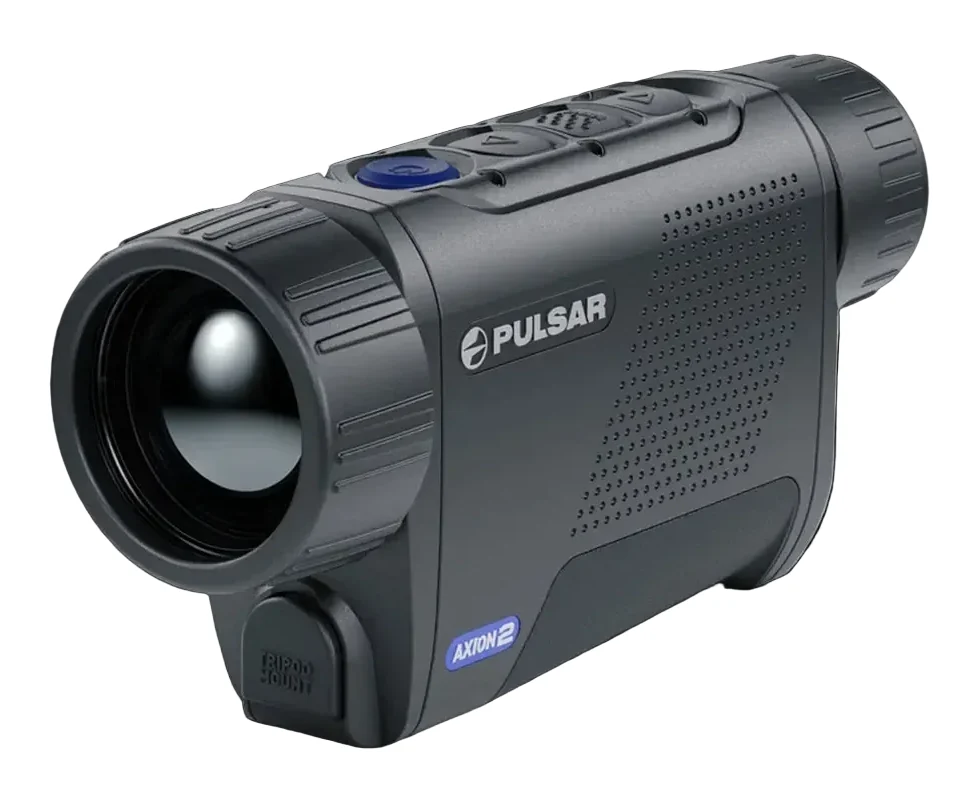
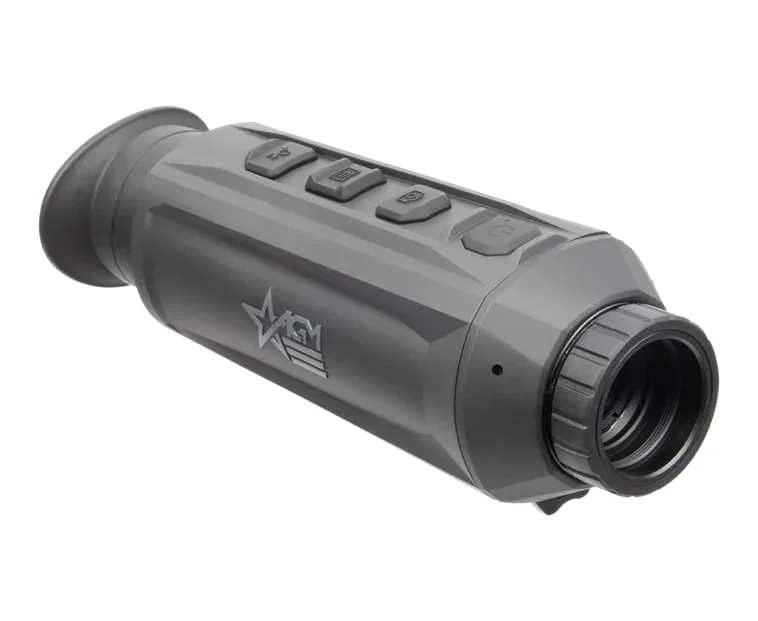
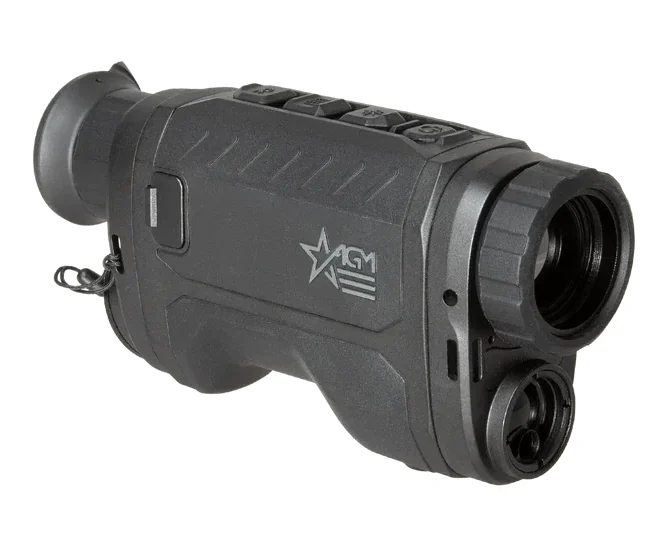
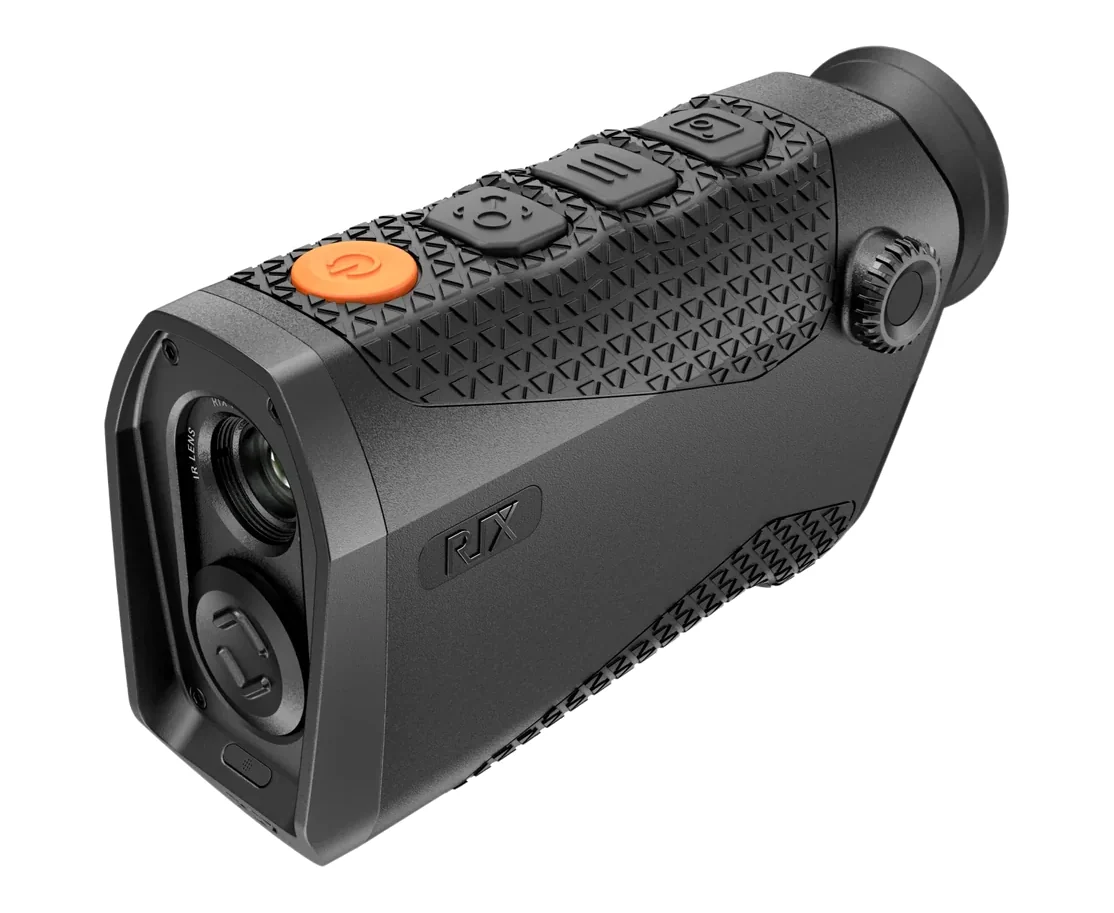
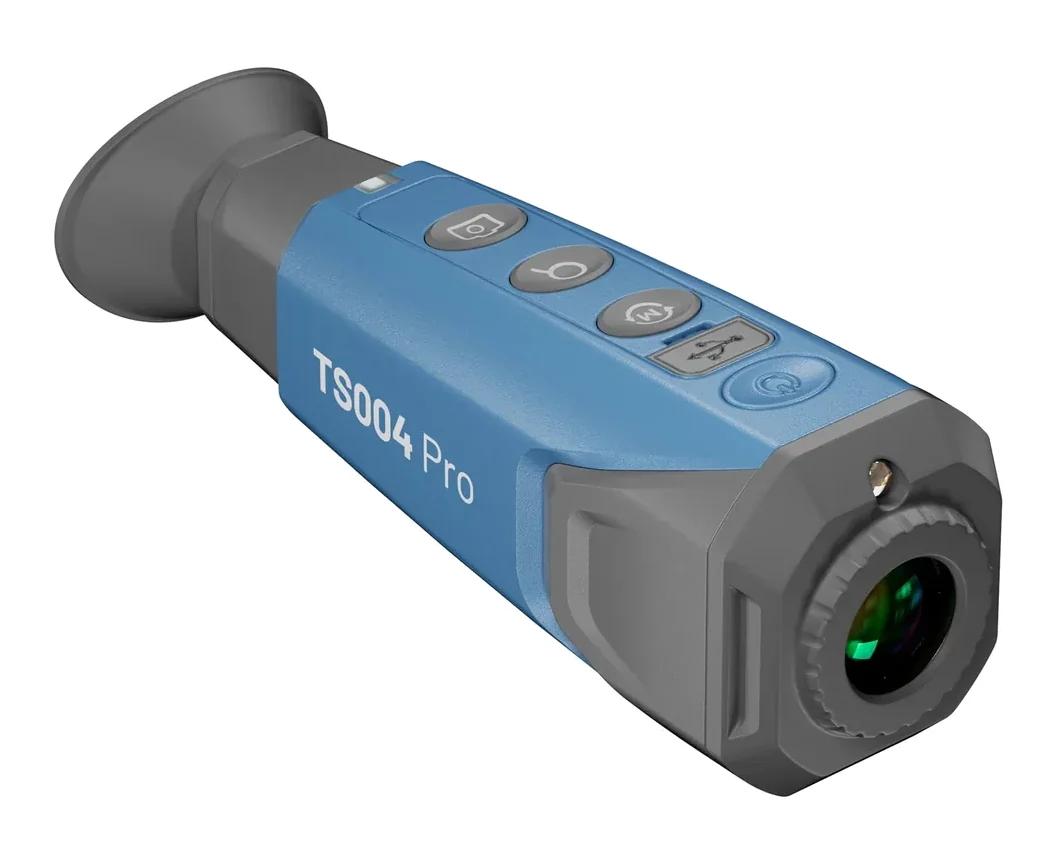
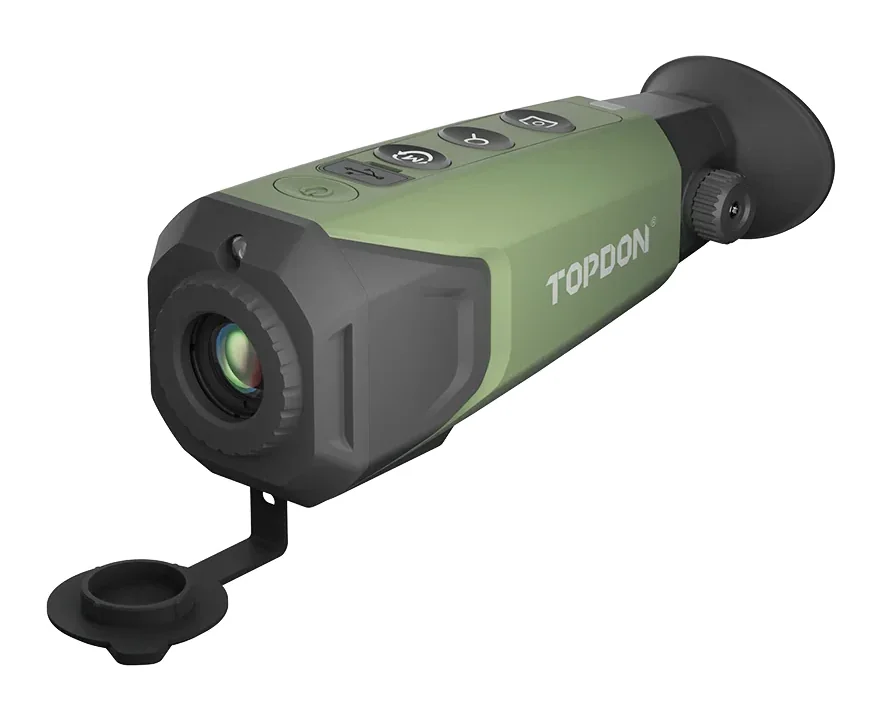
Short answer: if money is not the deciding factor, buy the Nocpix Vista H35R ($3,300): a 640 sensor, a laser rangefinder and a 5-year warranty, with no weak spot. For most hunters and landowners, the AGM Taipan V2 19-384 ($1,195) is the smarter buy: a sharp 384 sensor, two swappable batteries and five years of warranty. Under $900, look at the RIX Pocket K3 ($799 on sale) or the TOPDON TS004 Pro ($899).
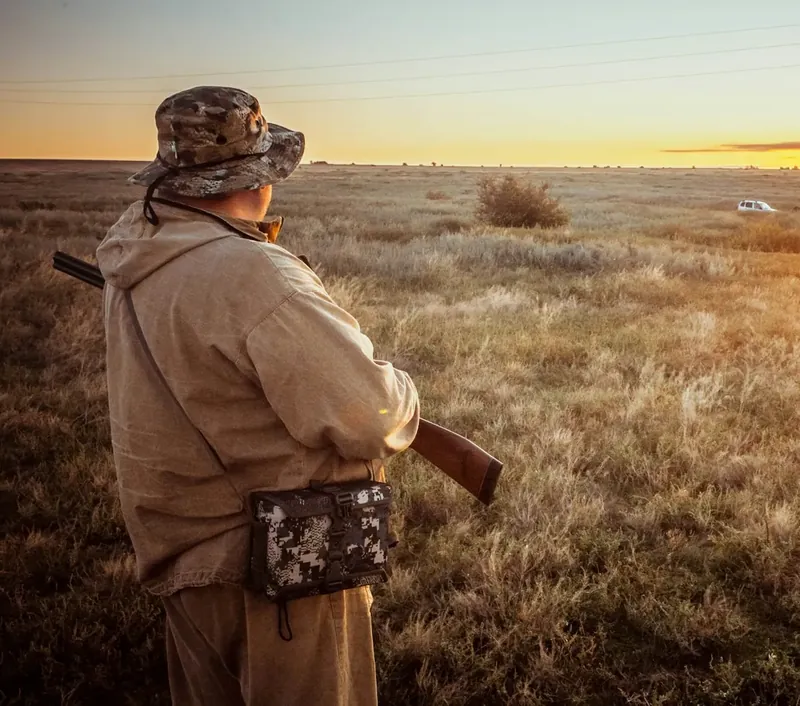
Start with where you will use it. Walking timber, checking cattle at 2 a.m. or scanning a 40-acre food plot are three different jobs. In the woods, a wide field of view and a light body matter more than reach. Over open pasture, reach and sensor resolution decide whether you can tell a coyote from the neighbor's dog at 300 yards.
Then set a budget. Around $400 to $900 you get 256 or 384 sensors with short lenses: great for the yard, the barn and the near edge of a field. From $1,000 to $2,000, 384 sensors with 19 to 25 mm lenses cover most hunting. Above $2,500, 640 sensors, rangefinders and long lenses turn a monocular into a long-range scouting tool. All 14 models below are priced as of November 9, 2026, so you can see exactly what each step up costs.
Don't buy on the "detection range" printed on the box. Every brand measures it its own way, and it only tells you when a few warm pixels show up. What you get in the field comes from the lens and the pixel size: on the same sensor, a 35 mm lens reaches about twice as far as a 19 mm one. Put your own distances into the detection range calculator before you pick.
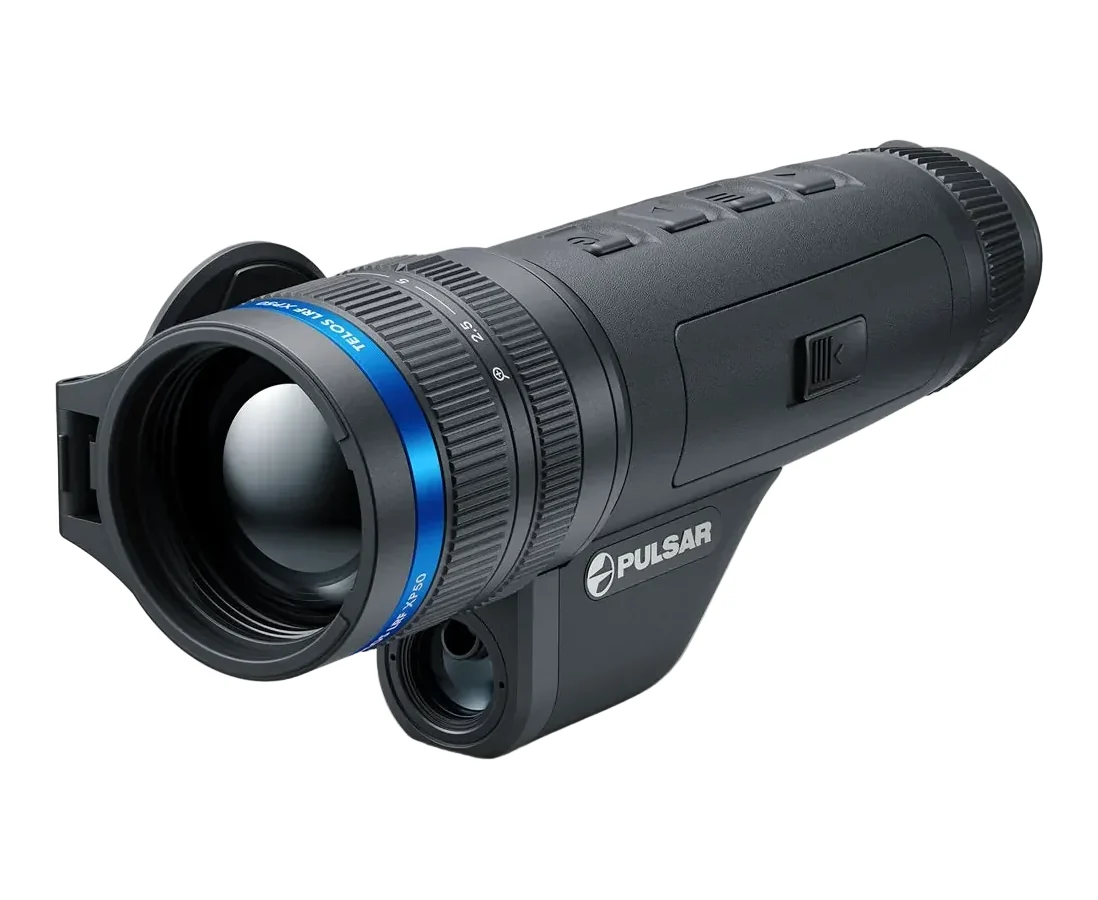
Ordered by our overall score: sensor resolution 20%, reach (lens / pixel pitch) 15%, price 15%, thermal sensitivity (netd) 10%, battery life 10%, weight (with battery) 10%, display resolution 5%, laser rangefinder 5%, water protection 5%, warranty 5%. Scope: every thermal monocular in our catalog that you can buy in the US today, from the $409.99 TOPDON TS004 to the $3,699.97 Pulsar Telos LRF XP50.
How to choose
- Lens and pixel size set the reach. A 35 mm lens on 12 µm pixels sees about twice as far as a 19 mm lens on the same pixels. A 640 sensor with the same lens does not see farther than a 384: it shows a wider, sharper picture.
- 384 is the sweet spot, 640 is a luxury. A 384×288 sensor has 2.25 times the pixels of a 256×192 one, and the difference is obvious on a screen. 640 sensors are sharper again, but they start around $2,500 in our list.
- Count the battery in real hours. Brands quote runtime at room temperature with Wi-Fi off. On a 20 °F night, expect less. A swappable 18650 cell (AGM, RIX, Vortex, Burris) beats a built-in battery when the night is long.
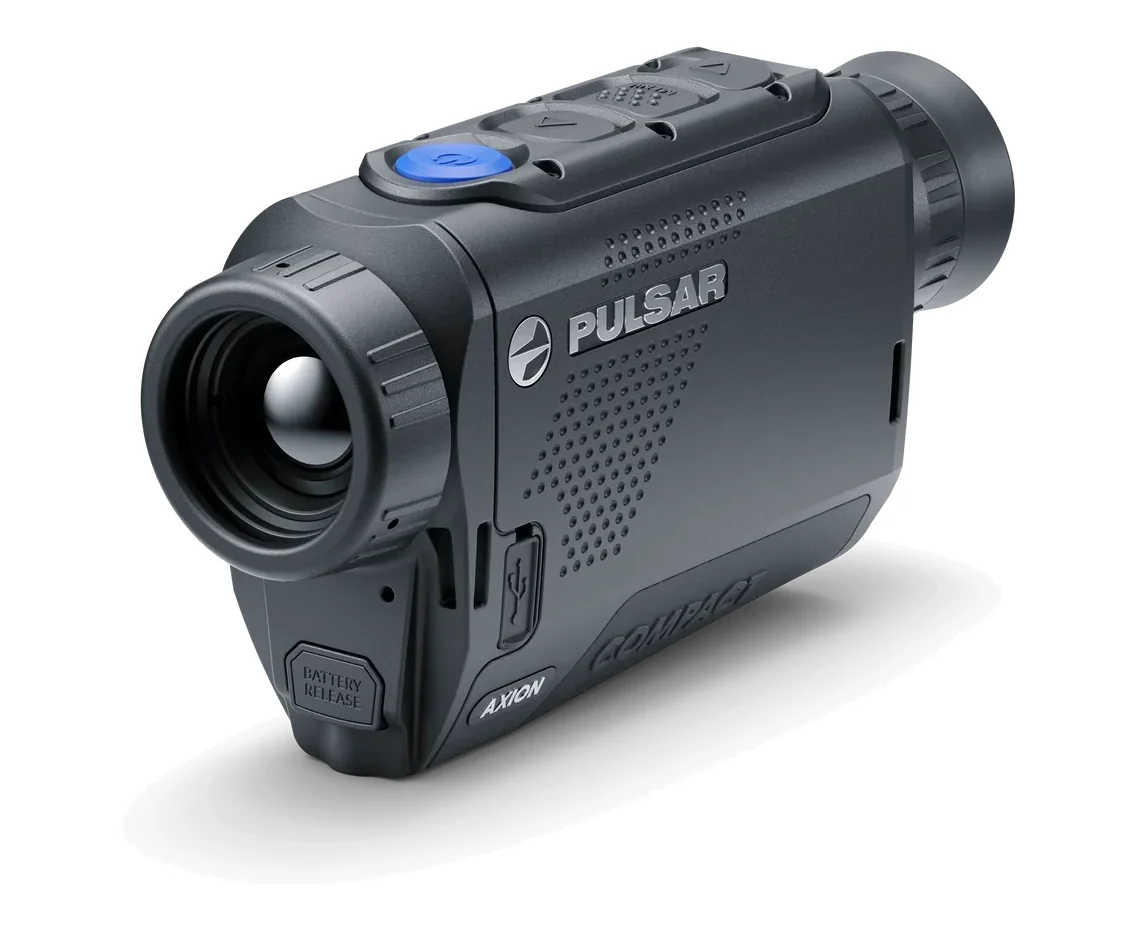
- Wide field for woods, narrow for fields. Under 12° across, you scan slowly. Above 17° (Axion XQ19, RIX K3, Taipan V2 10-256), you sweep a tree line in one pass but lose reach.
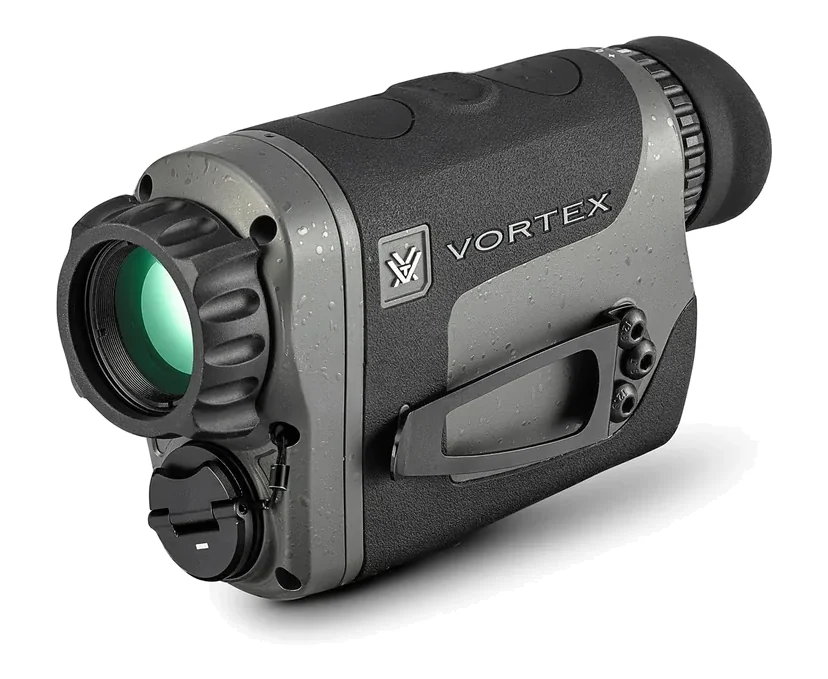
- Read the warranty before the price tag. From 1 year (TOPDON) to 5 years (AGM, RIX, Nocpix) and lifetime (Vortex). On a $1,000 electronic device used in rain and frost, that gap is real money.